
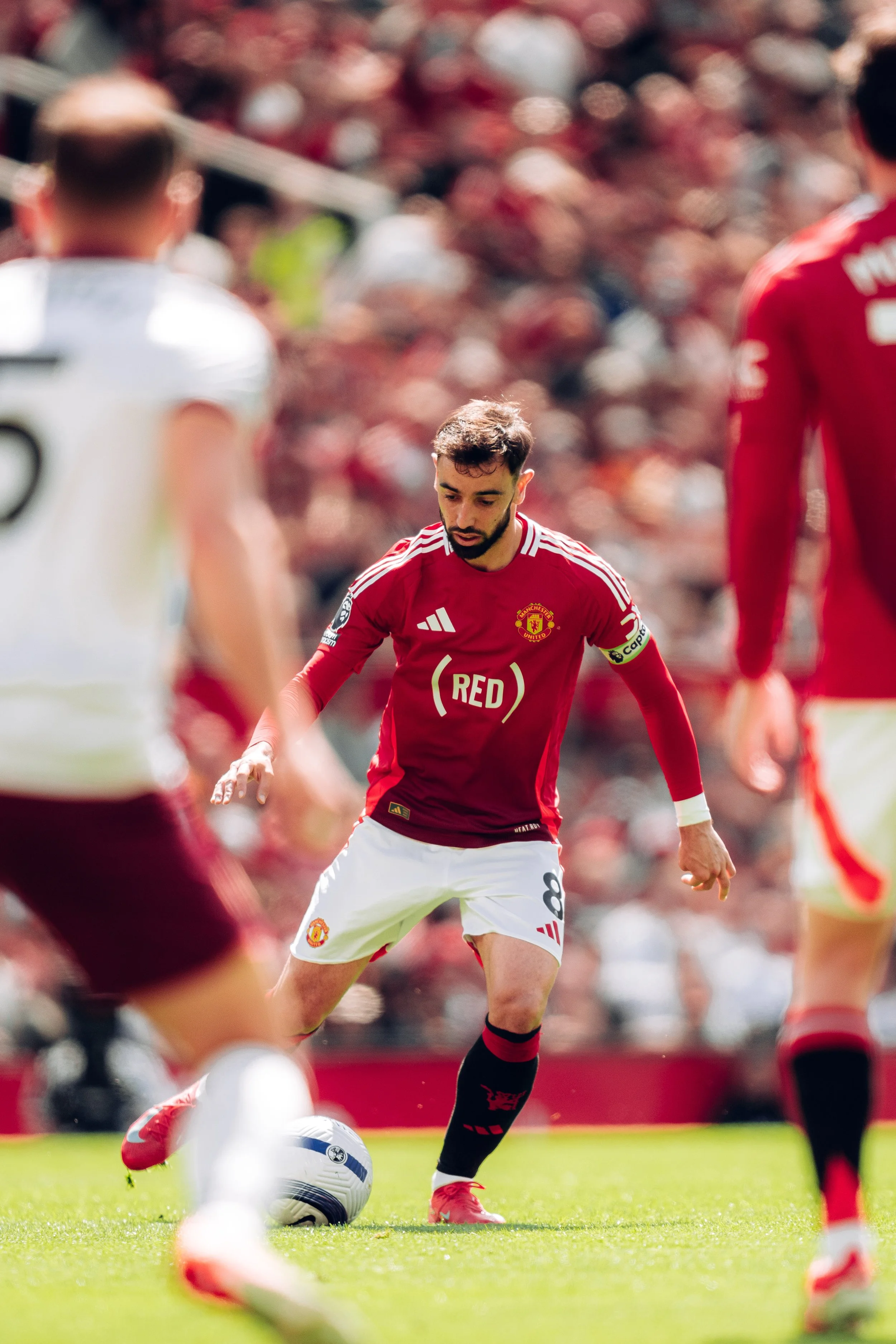
(RED) x Snapdragon x Manchester UNited
When we met the Qualcomm team at WEF Davos in 2022 there was immediate chemistry and we knew we just had to find a way for our teams to collaborate. When Snapdragon, Qualcomm’s premier chip division, became Manchester United’s front-of-kit sponsor in 2024, we found our moment. Becoming Snapdragon and Manchester United’s first-ever charity partner helped us reach 1B+ global fans who celebrated our first-ever “United for (RED)” campaign.
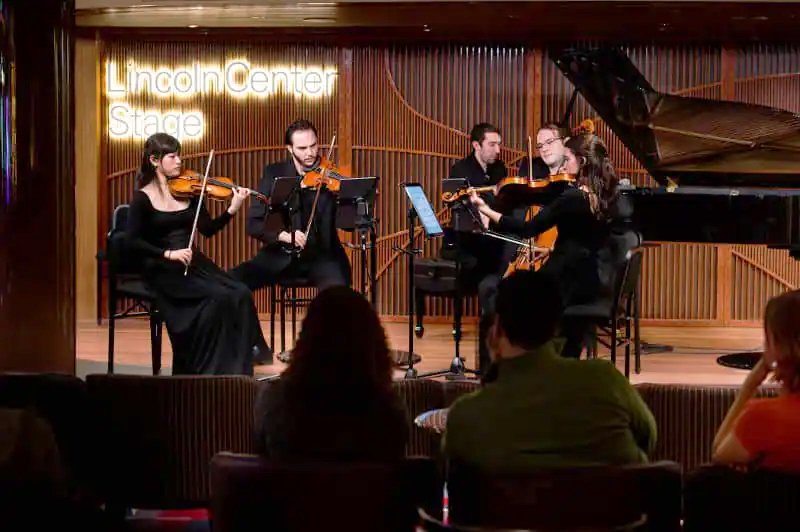
LincolN Center x Holland America
Creating live performance venues across Holland America’s fleet of luxury ships not only generated incremental revenue for one of the world’s most celebrated cultural institutions, but also expanded Lincoln Center’s reach by engaging a targeted affluent audience. This partnership exemplified how brands with shared values can create new experiences for loyal fans of the arts.
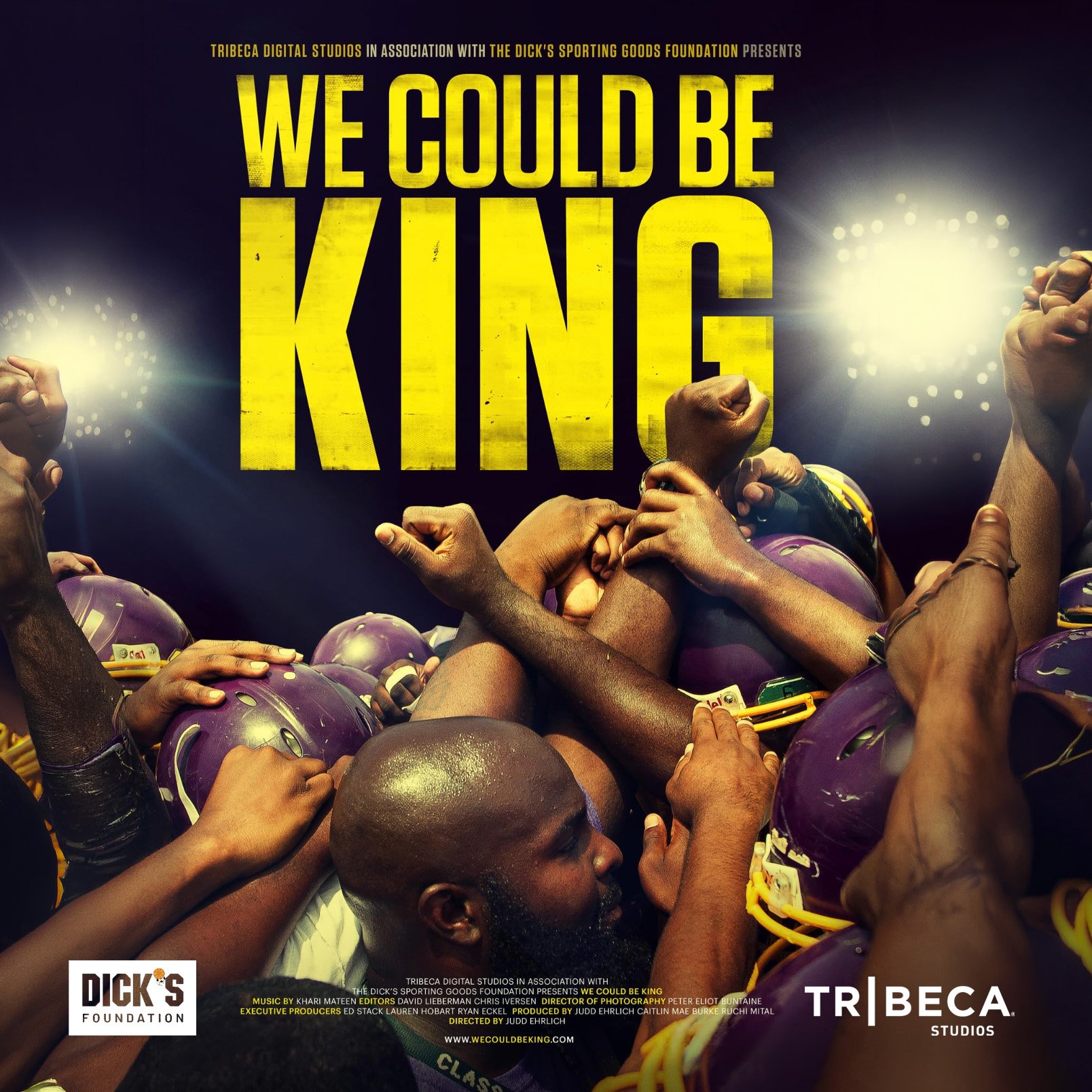
TRIBECA X DICK’S SPORTING GOODS
Years of working with creative brands afforded us the vision to see that brands and filmmakers had shared values that did not necessarily imply working together would be selling out for a filmmaker or off-strategy for a brand. Dick’s Sporting Goods and Tribeca came together to empower a brilliant director to tell an inspirational story about youth sports. The result was an award winning, must-see feature-length documentary with marketing energy and broad distribution.

The new YORK TIMES
As print media was waning and the digital revenue model of subscriptions not yet realized, The Times had to pursue new revenue streams and ways to engage passionate readers. We launched event-marketing businesses like TimesTalks, the Travel Show, and other deep-dive pursuits that afforded the Times visibility into content, readers’ capacity to spend more on The Times, and the inspiration for the soon-to-be new home for NYT events, The Times Center.

1996 Centennial Olympic Games
There was no bigger opportunity to start a career than the Olympics. When I joined the Atlanta Committee for the Olympic Games (the host organizing committee) there were 250 employees. Three years later, as the Torch lit the cauldron, the organizing committee had 2,500 FTEs, 12,000 contractors and 40,000 volunteers. Overseeing the Olympic branding program (“Look of the Games”) for multiple competition and non-competition Olympic venues was an opportunity to produce and manage at scale on the world’s biggest stage.